Fast fashion remains a powerful force in global retail, offering affordable, trend-forward clothing that appeals to a wide demographic of style seekers. For many shoppers, shopping fast-fashion brands like Zara, H&M, Shein, Bershka, and Temu provides a great deal to keep up with the latest trends. Yet frequent purchases from these sources can quickly drain wallets and fill closets with items that wear out, lose shape, or never get worn. This comprehensive guide explains how to shop fast fashion without wasting money, providing strategies, examples, and brand suggestions that balance style, value, and longevity.
Understanding Fast Fashion And Its Impact
Fast fashion refers to garments produced quickly in response to current trends, often at low prices through streamlined, cost-driven supply chains. Brands in this category introduce new styles rapidly, sometimes releasing thousands of new items weekly, to respond to consumer demand and maximize sales. While this model keeps prices low and offers rapid newness, it often relies on cheaper materials that lack durability and sustainability.
Consumers can avoid wasteful spending by acknowledging this trade-off early. Fast fashion can remain part of an affordable wardrobe when shopped smartly, with intentional choices and tools that prevent impulse purchases and ensure each item contributes real value.
Define Your Personal Style And Wardrobe Goals
Shopping with intention starts by defining what works for you in the long term. A clear sense of personal style means fewer impulse purchases and less regret after checkout. Begin by auditing your closet and noting:
- The colors you wear most often
- The shapes and silhouettes that fit your lifestyle
- The types of pieces you reach for repeatedly
This process helps prevent trend-driven impulses that feel good in the moment yet rarely get worn. Having a defined style makes it easier to avoid transient purchases and focus instead on items that integrate seamlessly into daily wear.
Set A Shopping Budget And Stick To It
One of the most effective ways to stop overspending on fast fashion is to treat your wardrobe budget with the same seriousness as your food or rent expenses. Decide how much you can reasonably allocate to clothing each month or season and commit to that limit. Tools such as wishlist apps, shopping freezes, or simple budgeting apps can help enforce this limit. Creating barriers to instant buying by removing saved credit cards from apps or disabling auto-checkout features also reduces impulse spending that can quickly add up.
Budget shopping also means taking advantage of sales events, seasonal clearances, and loyalty discounts. Planning purchases around major sales, such as Black Friday, end-of-season markdowns, and holiday promotions, can help you pay less for high-demand pieces. Brands often discount basics or higher-quality items at these times, giving shoppers the chance to snag wardrobe essentials at a lower cost.
Know When Fast Fashion Makes Sense
Not all fashion needs to be expensive or sustainable to be worth buying. The key is understanding which items are worth investing in and which are better purchased at a lower cost.
Consider buying fast fashion for:
- Trend-driven items that might go out of style quickly
- Seasonal basics that you only need for short periods (like summer tank tops or swimwear)
- Statement pieces that elevate outfits but don’t require long-term durability
For trend pieces you may wear only a handful of times, faster-fashion items can be a money-smart choice. Pairing these with higher-quality, timeless wardrobe staples can balance style and value.
Shop Smart Within Fast Fashion Brands
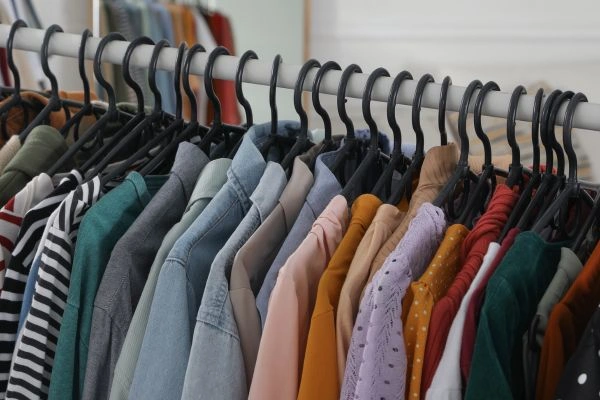
Even within fast fashion, brands vary in quality and value. Knowing which brands offer better basics or more durable pieces can stretch your money further. Some fast fashion and value-oriented brands that shoppers often find worthwhile include:
- Uniqlo: Though technically fast fashion in its responsiveness, Uniqlo is known for functional basics, technical fabrics, and quality construction that often last longer than typical trend pieces. Its LifeWear philosophy emphasizes versatility and wearability, making it a strong choice for foundation pieces in any wardrobe.
- Zara: A global fast fashion icon, Zara blends trend responsiveness with occasional higher-quality materials and tailoring, particularly in its premium lines. Zara pieces can look more polished and, at times, outlast other low-cost brands.
- H&M and COS: H&M offers affordable trend pieces, while COS focuses on durable, timeless basics. COS has grown in popularity for offering items that elevate a wardrobe without costing as much as traditional designer brands.
- Bershka and Pull&Bear: Inditex-owned labels appeal to younger shoppers with bold styles and frequent new collections. These pieces are ideal for incorporating current trends while pairing them with higher-quality staples for a balanced wardrobe.
Explore Resale, Vintage, And Secondhand Options
Shopping secondhand has become increasingly mainstream and affordable. Platforms like Vinted, eBay, Poshmark, and local thrift shops offer an array of gently used clothing at a fraction of the price of new. Well-curated secondhand shopping enables buyers to access higher-quality brands at lower prices, turning resale into a powerful tool for smart clothing budgets.
Resale and vintage shopping also allow shoppers to build a unique wardrobe, blending older styles with current trends in ways that feel more personalized and less disposable. In some cases, secondhand purchases avoid nearly all environmental costs associated with production while saving consumers significant money.
Practice The Thirty Wear Test
A helpful rule for assessing potential purchases is the thirty-wear test. Before buying, ask whether you will realistically wear the item at least thirty times. If the answer is uncertain, it may be a sign that the piece is a fleeting trend or impulse buy that will soon languish in your closet. This test encourages mindful shopping and shifts the focus from quantity to quality.
Closely related tips include shopping from your existing closet before buying new clothes and holding a one-month “fashion freeze” to reset habits and focus on existing pieces. Both approaches foster thoughtful shopping and reduce needless purchases.
Care For Clothes And Extend Their Life
One of the simplest ways to save money on fashion is to take better care of the items you already own. Clothing that is washed less often, repaired when it wears, and stored properly can last far longer than consumer expectations. Taking care of garments—such as handwashing delicate items, repairing seams, and removing pilling—extends their life and reduces the need to replace clothes prematurely.
Making small adjustments, such as using gentle detergents, washing at lower temperatures, and following garment care labels precisely, can significantly enhance durability. Those small efforts translate to fewer purchases and more money saved in the long run.
Avoid Buy Now Pay Later and One-Click Purchases
Retailers often use persuasive technologies to encourage instant purchases, such as one-click checkout, Buy Now, Pay Later (BNPL) services, and flash sales that create a sense of urgency. While these tools can be convenient, they also lower the friction in buying, making consumers more likely to purchase items they do not truly need. Slowing down the process by removing payment details from apps and creating a waiting period before buying helps curb impulse spending.
Balance Trends With Timeless Pieces
Fast fashion’s appeal lies partially in its trend responsiveness. However, owning only trendy items means a wardrobe that constantly feels outdated or incomplete as styles change. Investing in timeless, versatile pieces—like a tailored blazer, a good pair of jeans, quality knitwear, and a classic coat—provides a foundation that can support more trend-led clothing without frequent turnover.
These basics might come from slightly higher price points. Still, their longevity and integration into many outfits often make them more cost-effective over time than buying many cheap, disposable garments that wear out quickly.
Leverage Smart Tools And Apps
Today’s technology can be a real asset in shopping wisely. Apps that consolidate wishlists, compare prices across retailers, and offer personalized recommendations help consumers find value without overspending. Some platforms even provide cashback, rewards, or loyalty points that can reduce the long-term cost of clothing budgets.
Personalized retail platforms also use AI to tailor product feeds so you see clothing that aligns with your taste and budget, rather than overwhelming marketplaces with endless cheap options. These tools can help you keep focus on what matters most in your wardrobe.
Smarter Fast Fashion Choices For Long-Term Style
Fast fashion does not need to be an all-or-nothing proposition. When approached with intention, clarity, and smart strategies, it can be part of a wardrobe that is both stylish and financially responsible. By defining personal style, creating and sticking to a budget, choosing wisely in the fast-fashion landscape, and taking advantage of resale and care practices, it is possible to enjoy fashion without wasteful spending.
Balancing trends with timeless staples, resisting impulse buys, and sustainably maintaining clothes all contribute to a wardrobe that feels expertly curated rather than cluttered with disposable purchases. With these tools, fashion becomes a long-term investment in style and value rather than a revolving door of cheap garments.